Penhaligon's
Revamping Product Detail Page (PDP) with enriched content
Scope of work
UI User Research Ecommerce Cross-team collaboration
Background
Penhaligon’s is a luxury British perfume house founded in the late 1860s and is known for their use of quirky imageries as part of their storytelling branding. The in-store experience is fun and engaging, their perfume sommeliers are knowledgeable and helpful to customers looking to find their signature scent.
However in contrast, the online experience fell notably short. So we want to improve overall online shopping experience first by revamping the PDP.
The goal is to increase user time-spent on site - being an omni-channel brand, customers often engage with the brand through our site before making a purchase in store and also vice versa. So by increasing customer engagement with the brand, it helps us build brand loyalty and thus improve conversion both online and in-store.
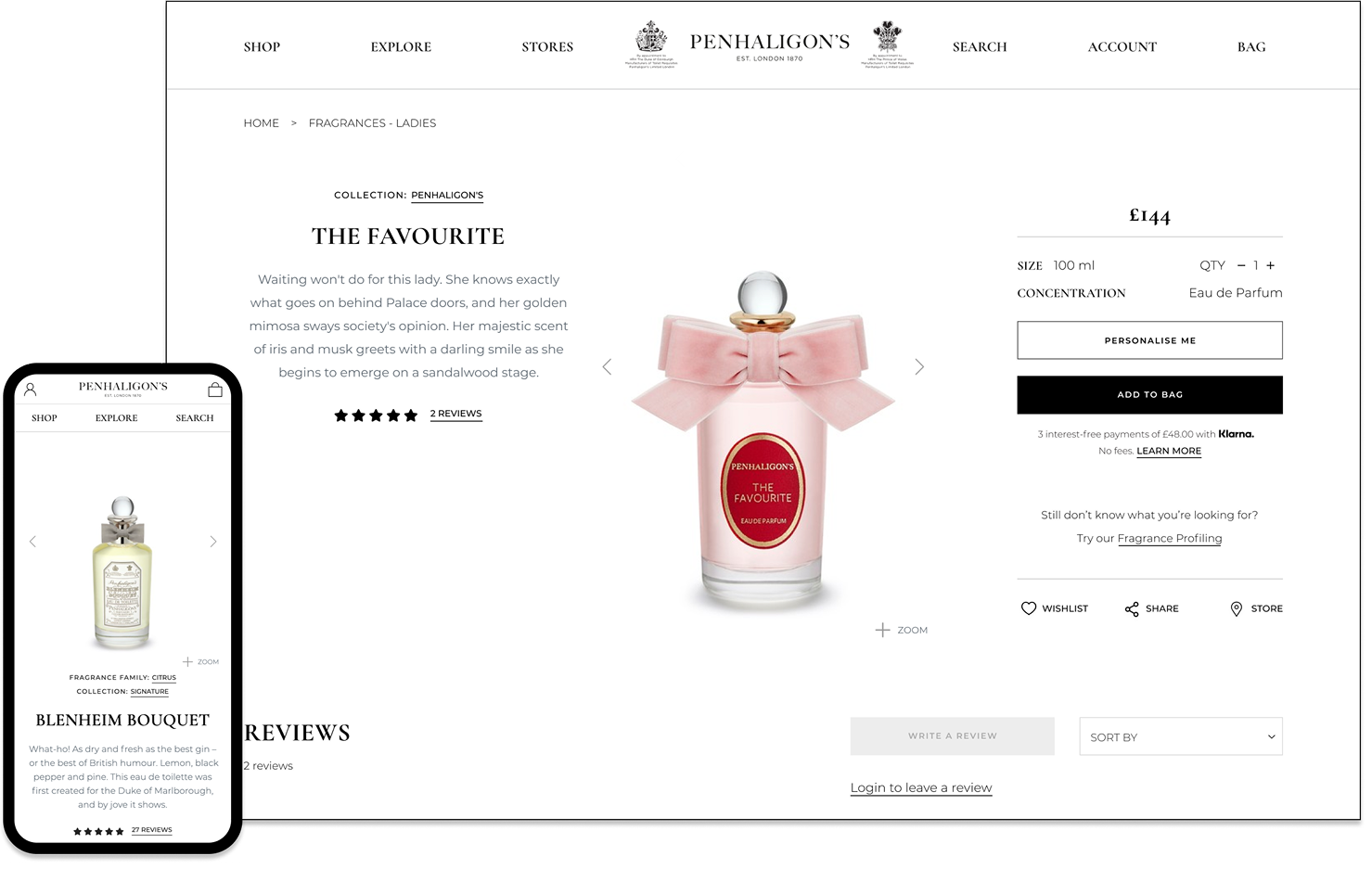
From this...
Existing PDP lacking in scent profile information and missing the rich storytelling element that's core to Penhaligon's branding.
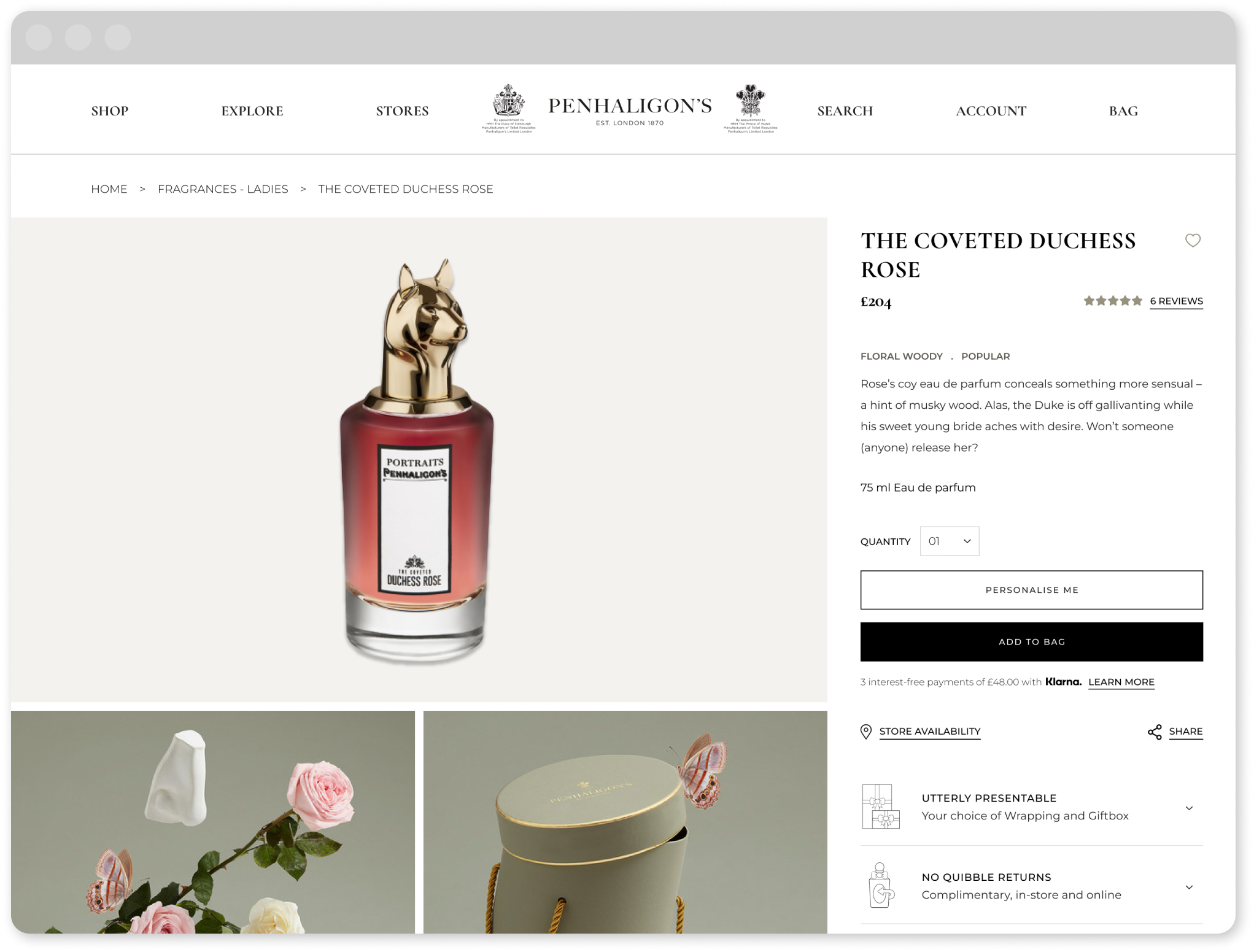
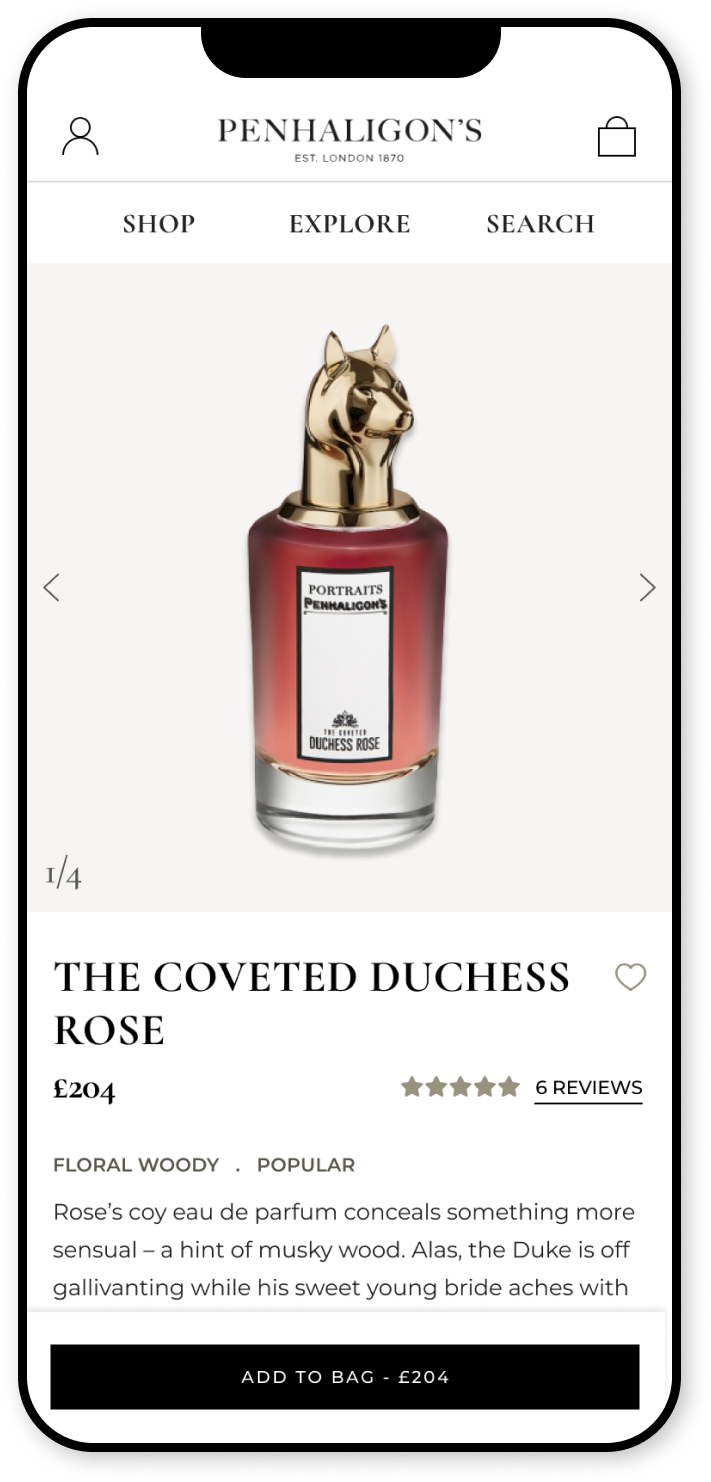
To this...
Revamped PDP with large product images and video content showcasing scent ingredients, helping customers visualise the scent story. The images also play a key role in promoting the product as an excellent gifting option.
Research
Due to budget constraints, I was not able to conduct user interviews. But there were enough internal customer facing colleagues I could speak to to understand what users are looking for when they shop for fragrances. This includes our in-house fragrance educator who is responsible for training retail staff, and store managers who interact with customers in-store daily. Through them, I was able to find out:
- what are the typical questions that customers often ask
- what attracts customer to a particular scent
- how does Penhaligon's use storytelling to help customer find their signature scent
- how imageries play a big part in conveying the scent story
- the language Penhaligon's uses to describe the scent
I looked at how other companies with similar challenges of selling products online solve that problem on their sites (ie. paint, makeup, eyewear industries).
As Penhaligon’s has an established brand loyalty, I was able to find comments from fan groups on social media which helped me identify the recurring questions and pain points from customers.
During the first week of launch, users’ time-spent on product pages increased by +15% and bounce rate reduced by -12%.
Through the use of ContentSquare tracking, I was able to get data on how users interact with the existing site. There was a high amount of clicks on the image carousel (around 26% of all page clicks), followed by "Add to Bag" button (between 1.5% to 22%, higher conversion rate seen only on signature scent). Traffic is slightly higher on desktop whilst conversion rate is higher on mobile.
So for my design I know it’s important to contain the following:
- olfactory imageries to convey the story behind the scent
- “Add to Bag” button needs to be prominent
- drive more traffic to existing Fragrance Profiling tool to help decrease bounce rate
- video content to engage and give a stronger visual sense of the product
- “Pairs well with” product recommendations (some customers want to know what other products go well with their chosen fragrance or can help prolong their scent)
- gift wrapping options and no quibble returns policy (a business requirement as the brand is establishing itself in the gifting market)


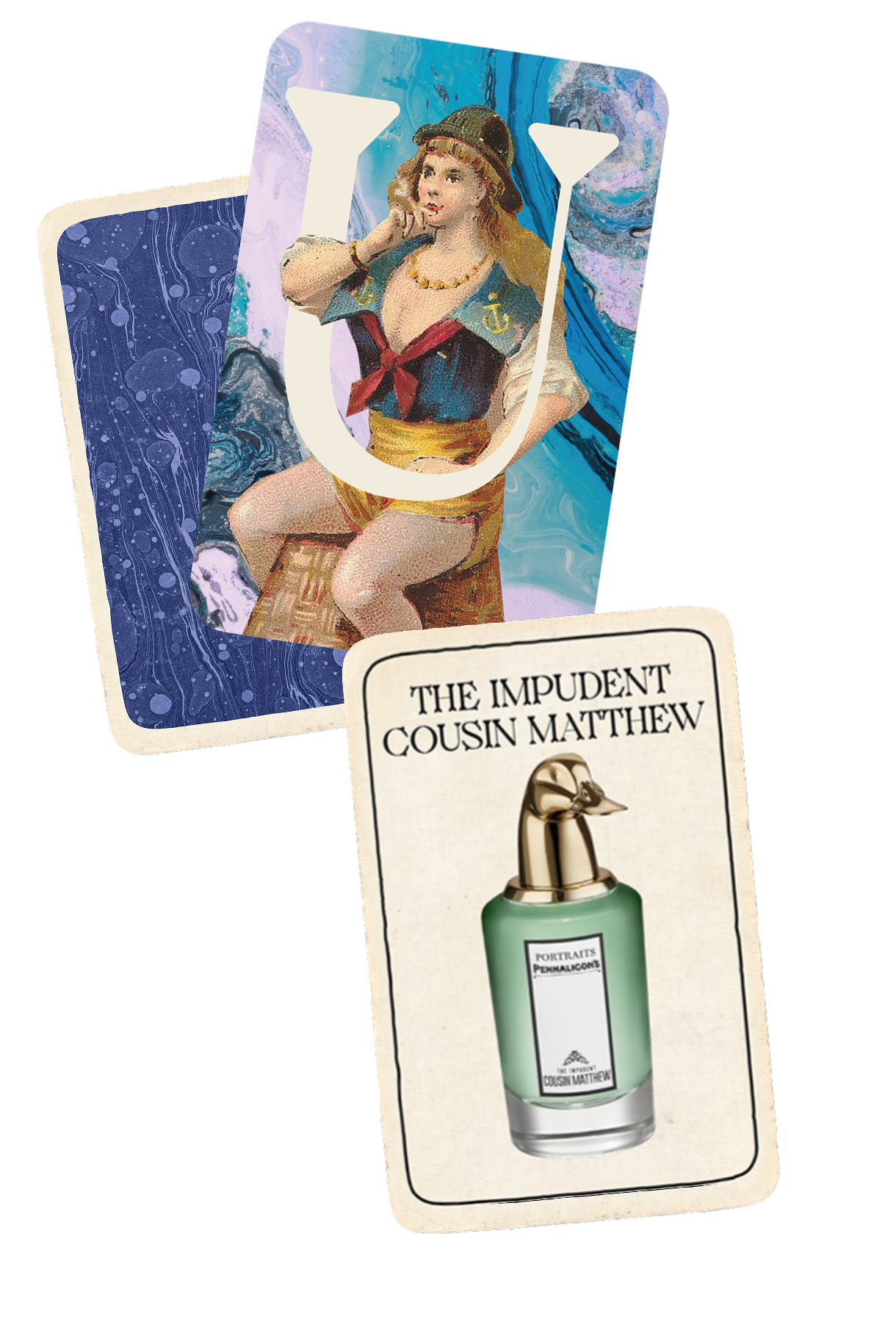
All single fragrance page to include images of the product, the scent imgredients, gifting option as well as the packaging. Users can also see what the top 3 fragrance notes are
For gift set pages, content are clearly listed on the page with information on the giftbox
Cross-functional collaboration
The success of this project lies in cross-function collaboration throughout the entire design phase with new sets of product images and additional product information required. Here are some of the steps I took to bring onboard different team members at the appropriate stage of the project:
- Discussions with the Head of Creative Image from the start of the design phase to understand cost and effort to rollout new image content needed.
- Pitch design to VP of Digital Marketing including getting budget approval on cost of image preparation.
- Align with Head of Education to determine appropriate content
- Page content audit with Head of Product for each product type ie. fragrance, gift set, candle, bath & body etc.
- Check-ins with engineering team to align on design requirements and backend constraints
I then created page templates and design specifications to hand over to the engineering team.
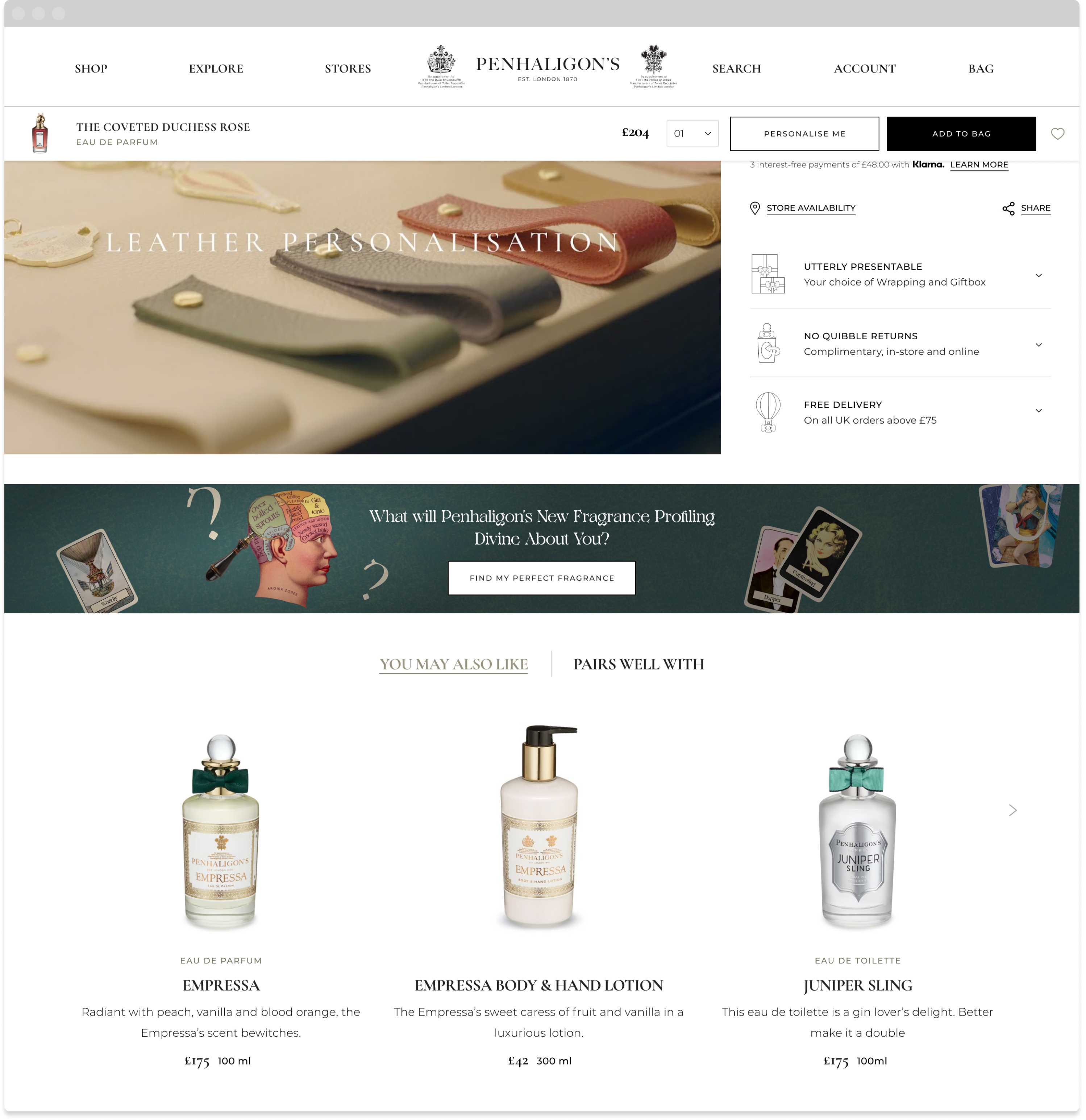
Video content on the page promoting personalisation options. Users are also promoted to use the Fragrance Profiling tool if they need help choosing their scent. As fragrance layering is quite popular amongst some customers, the cross-sell content helps customer choose other fragrance that goes well with the scent.
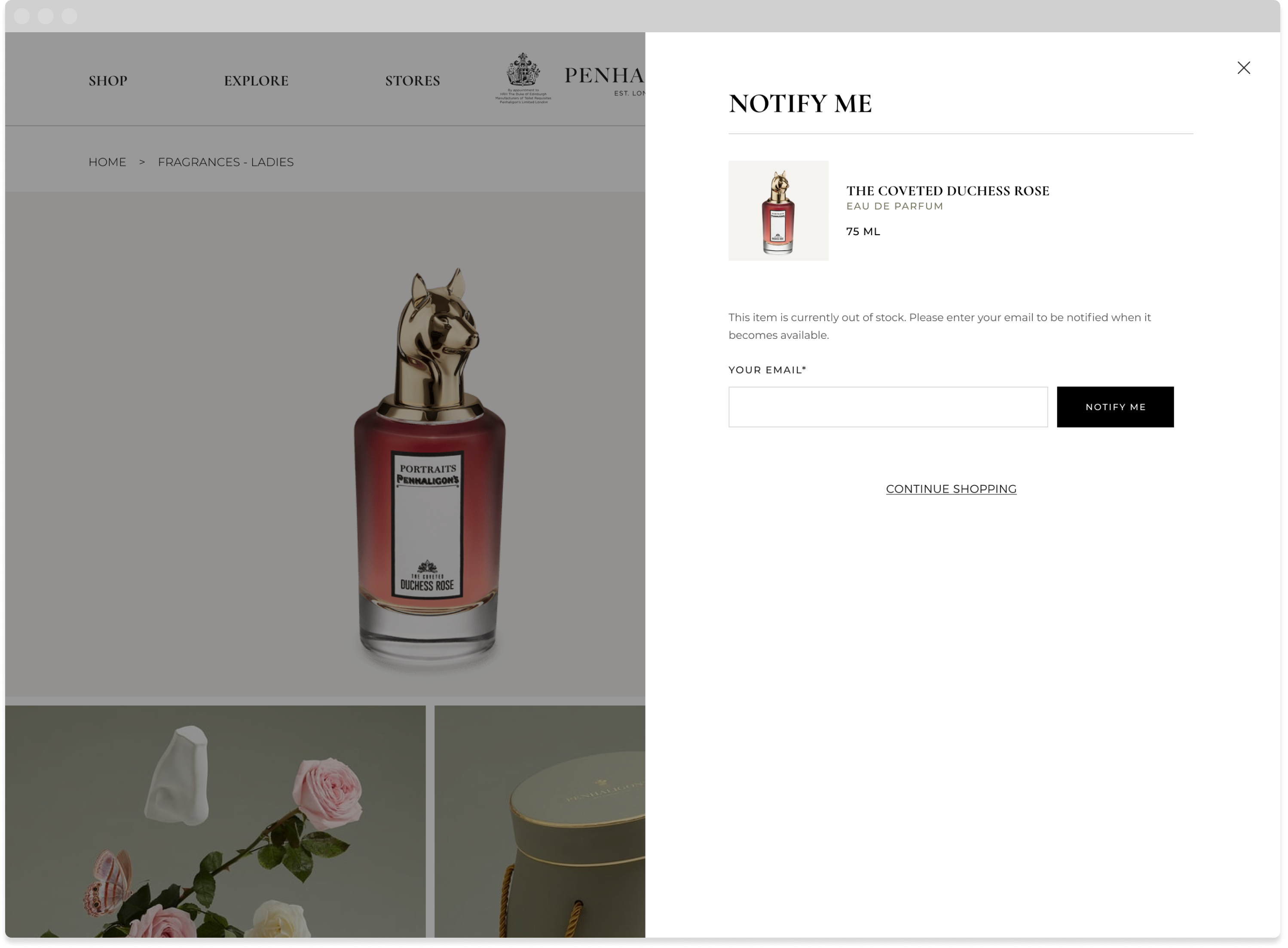
Out of Stock notification
A common question customer service often gets is stock availability. By giving customers the option to receive email notification when stock becomes available, we can reduce the number of calls to customer helpdesk.
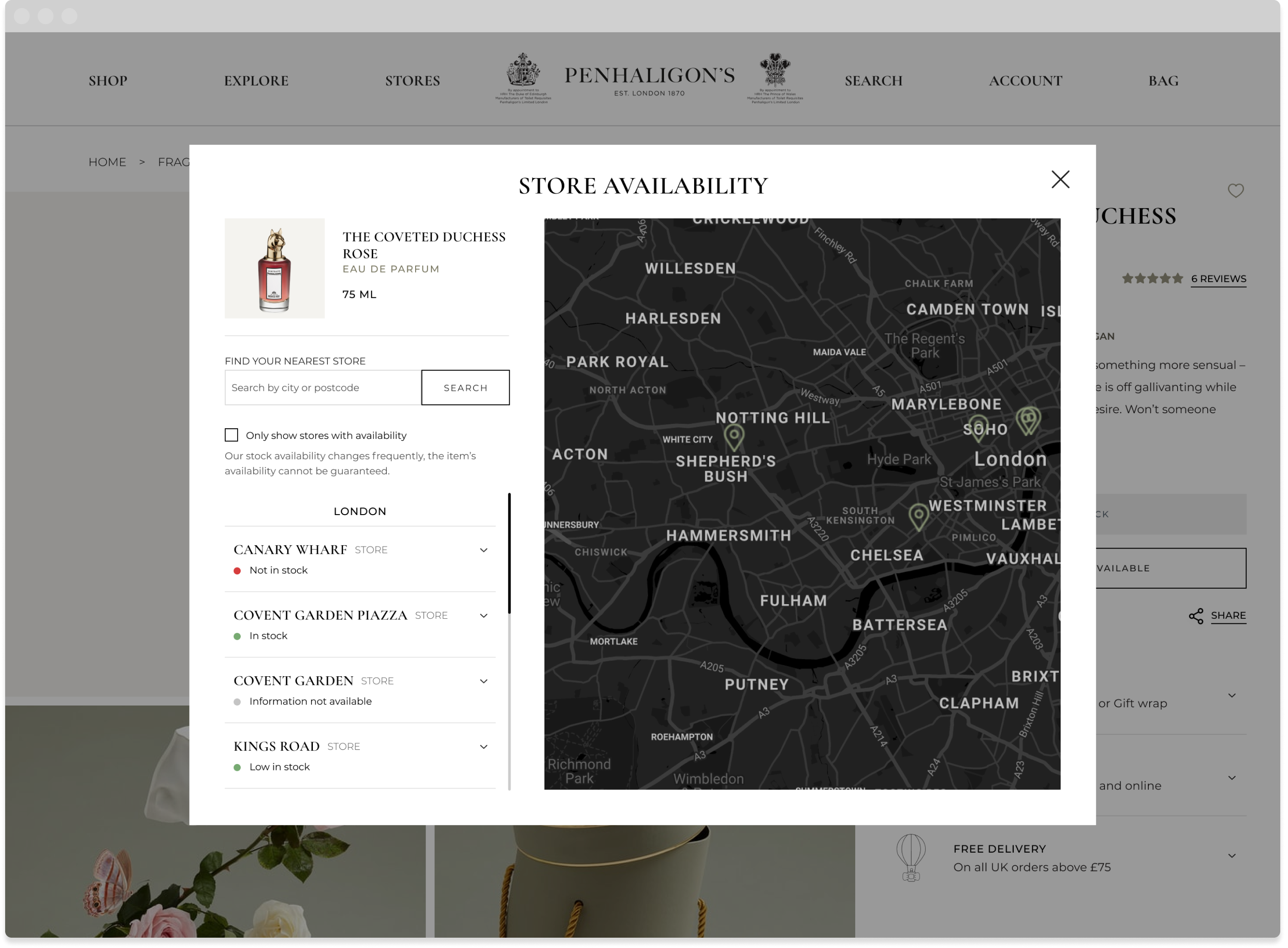
Store availability
For customers who prefer to purchase in-store, they can find out if a particular product is available near them.
© 2025 CRISTY BALL. ALL RIGHTS RESERVED. CRISTYBALL@GMAIL.COM LINKEDIN